simultaneous interpreting Africa, conference interpreting Cameroon, hybrid interpreting services, videoconferencing for conferences, translation services Africa, human rights conference interpreting
Last update: March 9, 2026
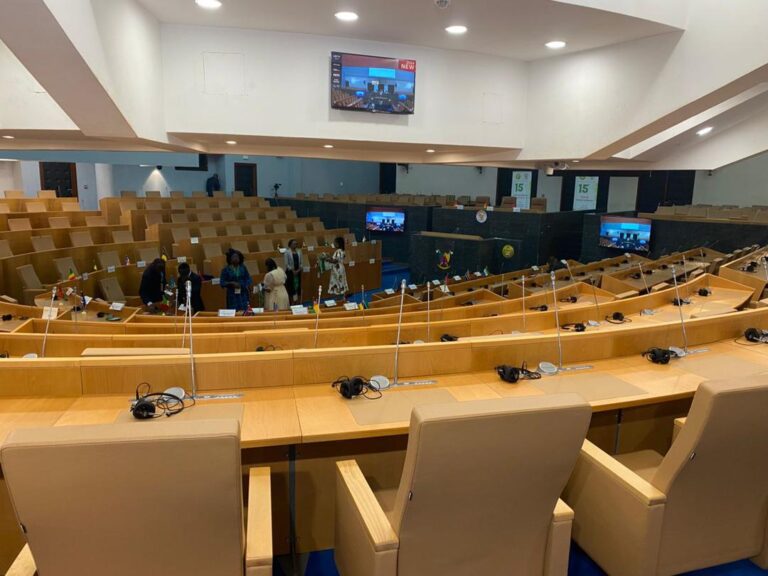
Yaoundé, Cameroon — Leading representatives of national human rights institutions from across the continent gathered in Yaoundé for the 15th Biennial Assembly of the Network of African National Human Rights Institutions. The high-level meeting brought together dozens of institutions committed to advancing human rights governance across Africa, including the host institution, the Commission des droits de l’homme du Cameroun.
To ensure seamless multilingual communication throughout the event, TranslatPro Language Services deployed a full suite of language and conference technology solutions. The team delivered hybrid simultaneous interpreting in English and French, enabling participants both on-site and online to follow discussions in real time.
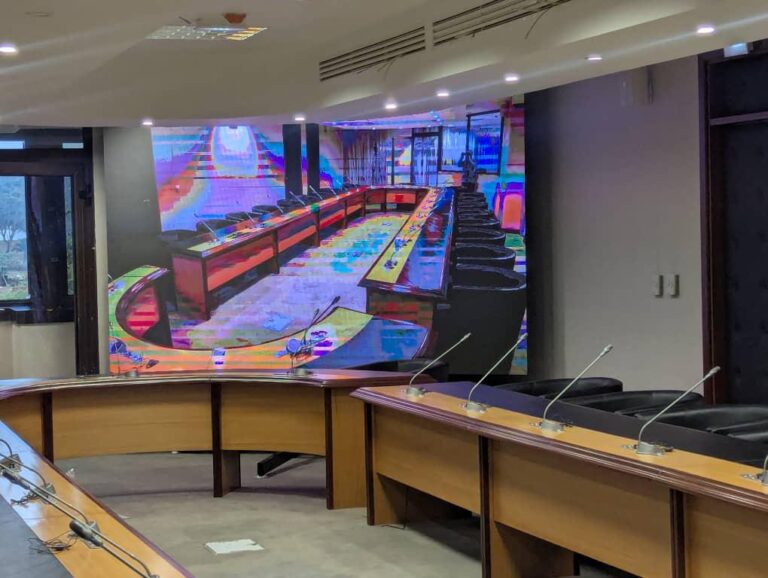
Beyond interpreting, the company provided complete videoconferencing infrastructure, including HD cameras, professional Zoom setup and monitoring, as well as the translation of conference documents before, during and after the event. This integrated approach allowed organizers to connect speakers, delegates, and observers across multiple locations while maintaining high technical and linguistic standards.
According to organizers, the quality of the services contributed significantly to the success of the assembly. The President of the Commission des droits de l’homme du Cameroun expressed strong appreciation for the professionalism and efficiency of the interpreting and technical teams, highlighting the importance of reliable language services in international human rights dialogue.
The event once again demonstrated how hybrid conference interpreting and advanced videoconferencing technologies are becoming essential tools for pan-African cooperation and policy dialogue.
As regional and international conferences continue to adopt hybrid formats, professional language service providers are playing an increasingly strategic role in ensuring that multilingual conversations shaping Africa’s future remain inclusive and accessible to all participants.